Fluency Disorders
Stuttering Therapy: What Causes Stuttering, and How Does It Improve?
With the right therapeutic approach, stuttering can be managed at any age. Work with speech and language therapist Cansu Tekin to build an evidence-based, individually tailored plan for your child or for yourself.
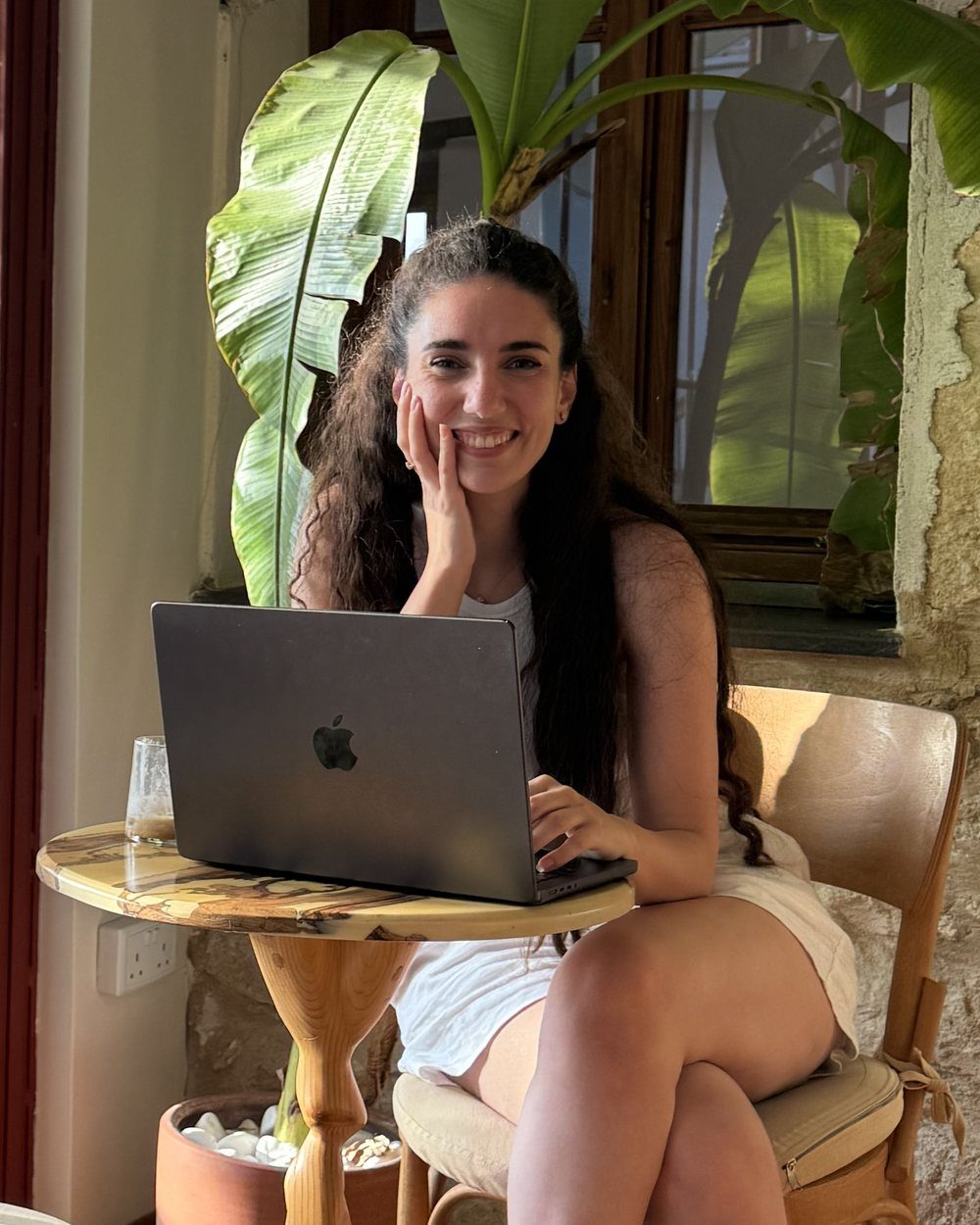
Written by Cansu Tekin, Speech and Language Therapist · Last updated: 14 July 2026
What Is Stuttering?
Stuttering is a fluency disorder in which the flow of speech is interrupted by repetitions of sounds, syllables or words, by prolongations, and by blocks. Worldwide, roughly 5–8% of children go through a period of stuttering, and around 1% of the adult population stutters.1 Stuttering is not a matter of intelligence, personality or parenting. It is a speech disorder with a neurodevelopmental basis.
At a glance
Note: There is no surgery or medication for stuttering. The only scientifically established approach is speech and language therapy.
What Causes Stuttering?
Stuttering emerges from a combination of genetic predisposition, neurophysiological differences, and developmental and environmental triggers. A family predisposition is present in roughly 60–70% of cases.2 Stuttering is not caused by fright or by poor parenting.
Genetic and Neurological Factors
Stuttering is largely heritable. Current research has identified more than fifty genes associated with it, and the likelihood rises in children with a family history. That many of these genes sit close to genes linked with neurological conditions supports the view that stuttering has a strong neurological basis.
Developmental Stuttering (Ages 2–5)
The most common form is developmental stuttering, which appears in the preschool years as language development accelerates. A temporary mismatch between what a child wants to express and their current speech skills can produce breaks in fluency.
Acquired Stuttering
More rarely, stuttering can begin later in life following a neurological event or a significant psychological factor. Assessing these cases calls for particular care so that the right onward referral is made.
A Multifactorial View of Stuttering, and the Family's Role
Stuttering does not come down to a single cause; it arises from the interaction of physical, linguistic, environmental and psychological factors. This multifactorial model explains why therapy has to be planned separately for each child, and why the family sits at the centre of that process.
Physical / Neurological
Neurophysiological differences involved in planning and producing speech, and inherited predisposition.
Linguistic
A developmental mismatch between what the child wants to say and their current speech and language skills.
Environmental
The effect on fluency of speaking pace, time pressure, daily routines and the communication environment.
Psychological
The child's temperament, their feelings about speaking, their sensitivity and level of anxiety.
Why the family matters in therapy
A child develops their language and fluency most of all at home, in everyday interactions within the family. That is why the most effective stuttering therapies — particularly preschool approaches such as Palin PCI — position the family as an active partner in therapy rather than an audience. Small but consistent changes in parents' patterns of interaction — speaking pace, how they listen, how they ask questions, the level of expectation — support the child's fluency in its natural setting.
In short: Therapy is not work done only in the clinic. It is a process carried into the child's daily life together with the family — and that is precisely what makes lasting progress possible.
What Are the Signs of Stuttering?
The signs of stuttering consist of breaks in fluency in the speech itself, together with the physical and emotional reactions that accompany them. Signs can vary through the day and from situation to situation.
Speech signs
- Repetitions of sounds, syllables or words (e.g. 'b-b-ball')
- Prolongations of sounds (e.g. 'mmmmummy')
- Blocks — speech suddenly stopping
Accompanying signs
- Avoiding speaking, or avoiding particular words
- Blinking, or tension in the face or jaw
- Tension in the body and breath
- Fear of speaking, and anxiety
When should you see a therapist?
How Does Stuttering Improve? Evidence-Based Treatment Methods
There is no instant, definitive cure for stuttering. But with speech and language therapy, full recovery is achievable in the preschool years, and lasting, marked improvement in fluency at older ages. The best outcomes come from working with a speech and language therapist trained specifically in stuttering.
Palin Parent-Child Interaction Therapy (Palin PCI)
An evidence-based approach developed at the Michael Palin Centre for Stammering in London, designed for the preschool years with the family at its centre. It strengthens parent-child interaction to support the child's fluency in their own natural environment.
The Lidcombe Program
A behaviourally based early intervention programme for preschool children, delivered by parents. Fluent speech is reinforced through positive feedback.
Fluency Shaping
Aims to establish a more fluent speech pattern through breath control, gentle onsets and regulation of speaking rate.
Stuttering Modification
Techniques for reducing tension in the moment of stuttering and easing out of blocks, which in turn reduce avoidance around speaking.
Cognitive Behavioural Approaches
Work with speaking anxiety and avoidance behaviours, addressing negative thoughts and fear around speaking, particularly in teenagers and adults.
Recommended approach by age group
Stuttering in Children
Ages 2–5: does developmental stuttering resolve?
Roughly 75–80% of developmental stuttering beginning between ages 2 and 5 resolves on its own — but which child will resolve cannot be predicted with certainty in advance.3 For children carrying risk factors, early therapy is therefore the safest way to avoid unnecessary delay.
Advice for families
- 1Listen to your child patiently and with eye contact, without interrupting.
- 2Model slow, calm, relaxed speech yourself.
- 3Avoid corrections and prompts such as 'slow down' or 'stop and think'.
- 4Create an unhurried environment for talking, free of pressure.
- 5Focus on what your child is telling you, not on their fluency.
Treating Stuttering in Adults
There is no age limit for stuttering therapy. Marked improvement is achievable in adults too, through fluency techniques and cognitive behavioural approaches.
With adults, therapy often focuses on reducing anxiety around speaking in job interviews, presentations, phone calls and social settings. The aim is not only greater fluency, but restoring confidence and ease around speaking.
How Does the Stuttering Therapy Process Work?
The process runs through a thorough assessment, an individually tailored plan and regular sessions. The family is kept informed and involved at every step.
Assessment session
An individually tailored therapy plan
Regular sessions + family training
45 min
Session length
Individually tailored
The length of therapy varies from person to person
Every session
Progress is measured and the plan updated
Online Stuttering Therapy
Research on telepractice shows that online stuttering therapy produces results comparable to in-person therapy.4 Online sessions give you access to specialist support from anywhere in Türkiye and the world.
About Cansu Tekin, Speech and Language Therapist
I work with children and adults on fluency disorders, including stuttering, using evidence-based methods. I build every course of therapy on the person's strengths and needs, without pressure and while protecting motivation — because fluent speech develops within a secure relationship.
- ✓Hacettepe University, Faculty of Health Sciences — Speech and Language Therapy (high honours)
- ✓Ege University — MSc in Audiology and Speech Disorders
- ✓Palin PCI (early stuttering) certification
- ✓Training in cognitive behavioural approaches to stuttering
- ✓Hanen and DIR Floortime training
- ✓Interdisciplinary clinical placements at Hacettepe (including fluency disorders)
CLIENT REVIEW
Thank you so much for the care, patience and professionalism you have shown throughout our stuttering journey. There has been a visible improvement in our child's confidence in speaking and in expressing himself. Thanks to your consistently understanding and supportive approach, we are going through this process far more comfortably and with much more hope.
Client review
Frequently Asked Questions About Stuttering
Stuttering Therapy in Nicosia and Online
At our clinic in Nicosia we see clients from across Cyprus (Kyrenia, Famagusta, Morphou, Trikomo), and we work with clients in Türkiye and abroad through online sessions. You can book either an in-person or an online appointment for stuttering assessment and therapy.
Take a Step Towards Fluent Speech Today
Get in touch, for your child or for yourself, and we will work out the right therapy model for the stutter together.
Address
Marmara Bölgesi, 12. Sokak,
Başarhan Apt. No: 2, Nicosia
Contact
+90 533 834 31 96
merhaba@letssaymore.com
Opening hours
Monday–Saturday
09:00 – 18:00
Sources
- The Stuttering Foundation — stutteringhelp.org (prevalence data)
- NIDCD — National Institute on Deafness and Other Communication Disorders — nidcd.nih.gov (genetic and neurological factors)
- ASHA — American Speech-Language-Hearing Association — asha.org (natural recovery and early intervention)
- Current meta-analyses on telepractice effectiveness (ASHA telepractice resources)
- The Michael Palin Centre for Stammering — michaelpalincentreforstammering.org (the Palin PCI method and the genetic/neurological basis of stuttering)